DEPARTMENT OF HEALTH SCIENCE AND TECHNOLOGY
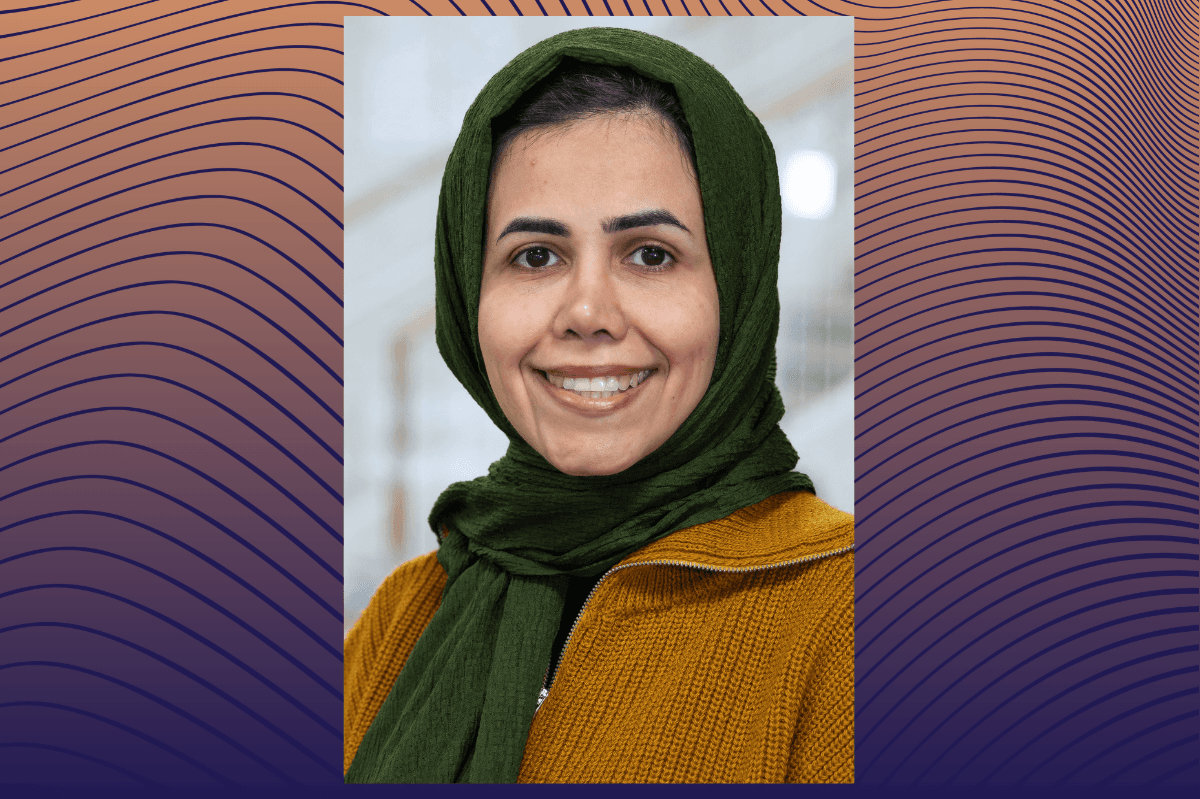
PhD defense by Faezeh Darki
Department of Health Science and Technology, Aalborg University
AAU SUND, Room 11.00.034
Selma Lagerløfs Vej 249, 9260 Gistrup
03.06.2026 13:00 - 16:00

All are welcome

English

Hybrid
Department of Health Science and Technology, Aalborg University
AAU SUND, Room 11.00.034
Selma Lagerløfs Vej 249, 9260 Gistrup
03.06.2026 13:00 - 16:00
English
Hybrid
DEPARTMENT OF HEALTH SCIENCE AND TECHNOLOGY
PhD defense by Faezeh Darki
Department of Health Science and Technology, Aalborg University
AAU SUND, Room 11.00.034
Selma Lagerløfs Vej 249, 9260 Gistrup
03.06.2026 13:00 - 16:00
All are welcome
English
Hybrid
Department of Health Science and Technology, Aalborg University
AAU SUND, Room 11.00.034
Selma Lagerløfs Vej 249, 9260 Gistrup
03.06.2026 13:00 - 16:00
English
Hybrid
PROGRAM
13:00: Opening by the Moderator
13:05: PhD lecture by Faezeh Darki
13:50: Break
14:00: Questions and comments from the Committee
15:30: Questions and comments from the audience at the Moderator’s discretion
16:00 Conclusion of the session by the Moderator
EVALUATION COMMITTEE
The Faculty Council has appointed the following adjudication committee to evaluate the thesis and the associated lecture:
- Professor Caroline Ford, Strategic director, Ainsworth Endometriosis Research Institute, University of New South Wales, Australia
- Associate Professor Iben Lyskjær Heimann, Department of Molecular Medicine (MOMA), Aarhus, Danmark
Chairman: Associate Professor Tue Bjerg Bennike, Department of Health Science and Technology (HST), Aalborg Universitet
Moderator: Professor Mette Nyegaard, Department of Health Science and Technology (HST), Aalborg Universitet
ABSTRACT
Endometriosis is a common but still poorly understood gynecological disease with large variation in symptoms and lesion biology. In this PhD project, I combined genetic analyses with spatial molecular profiling to better understand the biological mechanisms behind the disease, with a particular focus on deep infiltrating bowel endometriosis.
Using large-scale genetic data, I identified biological pathways linked to immune regulation, hormonal signaling, tissue remodeling, and metabolism, and explored potential opportunities for drug repurposing beyond current hormonal treatments.
I also investigated how different cell types and molecular patterns are organized within bowel endometriosis lesions and surrounding tissue. The analyses revealed clear spatial differences across lesion regions, including variation linked to lesion depth, gland size, and proximity to bowel tissue. These findings highlighted substantial heterogeneity within lesions and signs of local tissue remodeling in adjacent bowel tissue.
Finally, key findings were reproduced in an independent patient cohort, supporting the robustness of the observed spatial and molecular patterns.
Overall, this thesis provides new insight into the biology and heterogeneity of endometriosis and emphasizes the importance of studying the disease in its spatial tissue context.