DEPARTMENT OF HEALTH SCIENCE AND TECHNOLOGY
PhD defense by Laurine Nilsson
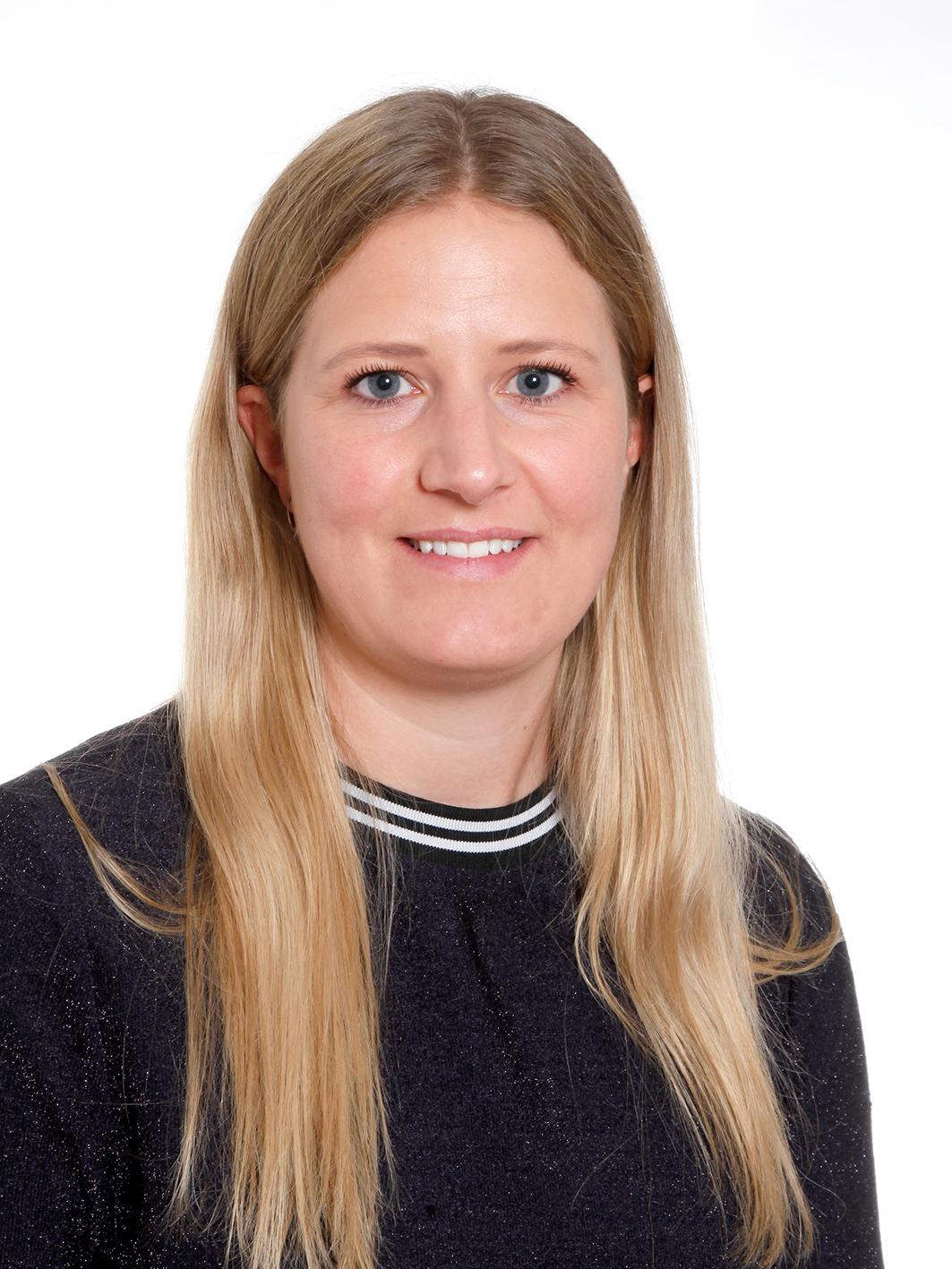
Department of Health Science and Technology, Aalborg University
AAU SUND, room 11.00.035
Selma Lagerløfs Vej 249, 9260 Gistrup
24.04.2026 13:00 - 16:00

All are welcome

English

On location
Department of Health Science and Technology, Aalborg University
AAU SUND, room 11.00.035
Selma Lagerløfs Vej 249, 9260 Gistrup
24.04.2026 13:00 - 16:00
English
On location
DEPARTMENT OF HEALTH SCIENCE AND TECHNOLOGY
PhD defense by Laurine Nilsson
Department of Health Science and Technology, Aalborg University
AAU SUND, room 11.00.035
Selma Lagerløfs Vej 249, 9260 Gistrup
24.04.2026 13:00 - 16:00
All are welcome
English
On location
Department of Health Science and Technology, Aalborg University
AAU SUND, room 11.00.035
Selma Lagerløfs Vej 249, 9260 Gistrup
24.04.2026 13:00 - 16:00
English
On location
PROGRAM
13:00: Opening by the Moderator
13:05: PhD lecture by Laurine Nilsson, HST and Aalborg University Hospital, Fysio- og ergoterapiafdelingen
13:50: Break
14:00: Questions and comments from the Committee
15:30: Questions and comments from the audience at the Moderator’s discretion
16:00 Conclusion of the session by the Moderator
EVALUATION COMMITTEE
The Faculty Council has appointed the following adjudication committee to evaluate the thesis and the associated lecture:
- Professor Victoria Ann Goodwin, MBE PhD FCSP. Professor of Ageing and Rehabilitation & NIHR Senior Investigator, University of Exeter
- Senior Researcher Mette Merete Pedersen, within Physical Medicine & Rehabilitation Research –Copenhagen (PMR-C), Associate Professor, University of Copenhagen
Chairman: Associate Professor Birgitte Schantz Laursen, Department of Clinical Medicine (KI), Aalborg Universitet
Moderator: Associate Professor Thorvaldur Skuli Palsson, Department of Clinical Medicine (KI), Aalborg Universitet
ABSTRACT
Background
Frailty is a prevalent and multidimensional condition among older adults, associated with increased vulnerability to stressors and a heightened risk of functional decline, hospitalisation, and mortality. Acute hospital admission often accelerates frailty progression, and the subsequent transition from hospital to home represents a particularly vulnerable period. During this phase, rehabilitation pathways are frequently fragmented across healthcare sectors. Despite growing recognition of frailty as a dynamic condition, rehabilitation interventions for frail older adults after acute hospitalisation remain insufficiently coordinated and are often limited to single components.
Aims
The overall aim of this PhD project was to develop, test, and evaluate a pragmatic, multicomponent, cross-sectoral rehabilitation intervention for frail older adults following acute hospital admission. Specifically, the PhD project aimed to develop a theory-informed intervention, assess its feasibility and acceptability, and evaluate its effectiveness compared with usual care in improving physical function and related outcomes.
Methods
The PhD project followed the Medical Research Council framework for complex interventions and comprised three studies. Study I focused on systematic intervention development based on evidence synthesis, theory, and stakeholder involvement. Study II evaluated feasibility and acceptability using a mixed-methods design among frail older adults recently discharged to home. Study III was a pragmatic, assessor-blinded randomised controlled trial comparing the multicomponent intervention with usual physiotherapy care. Physical function measured by the Short Physical Performance Battery was the primary outcome, with secondary outcomes including frailty, muscle strength, and health-related quality of life.
Results
The intervention was successfully developed and implemented within existing municipal rehabilitation structures. Feasibility findings indicated that the intervention was acceptable and safe, although recruitment and adherence were influenced by contextual factors. In the randomised trial, no statistically significant differences were observed between the intervention and usual care groups for physical function or quality of life at follow-up, despite high intervention fidelity.
Discussion and conclusions
This PhD project demonstrates that multicomponent, cross-sectoral rehabilitation for frail older adults after acute hospitalisation is feasible in routine practice. However, the findings suggest limited additional benefit compared with usual care. Future research should focus on optimising intervention intensity, targeting, and integration to better address the complex rehabilitation needs of frail older adults.